Garage Doors in Mount Dennis, OntarioSmall adjustments.Long life.
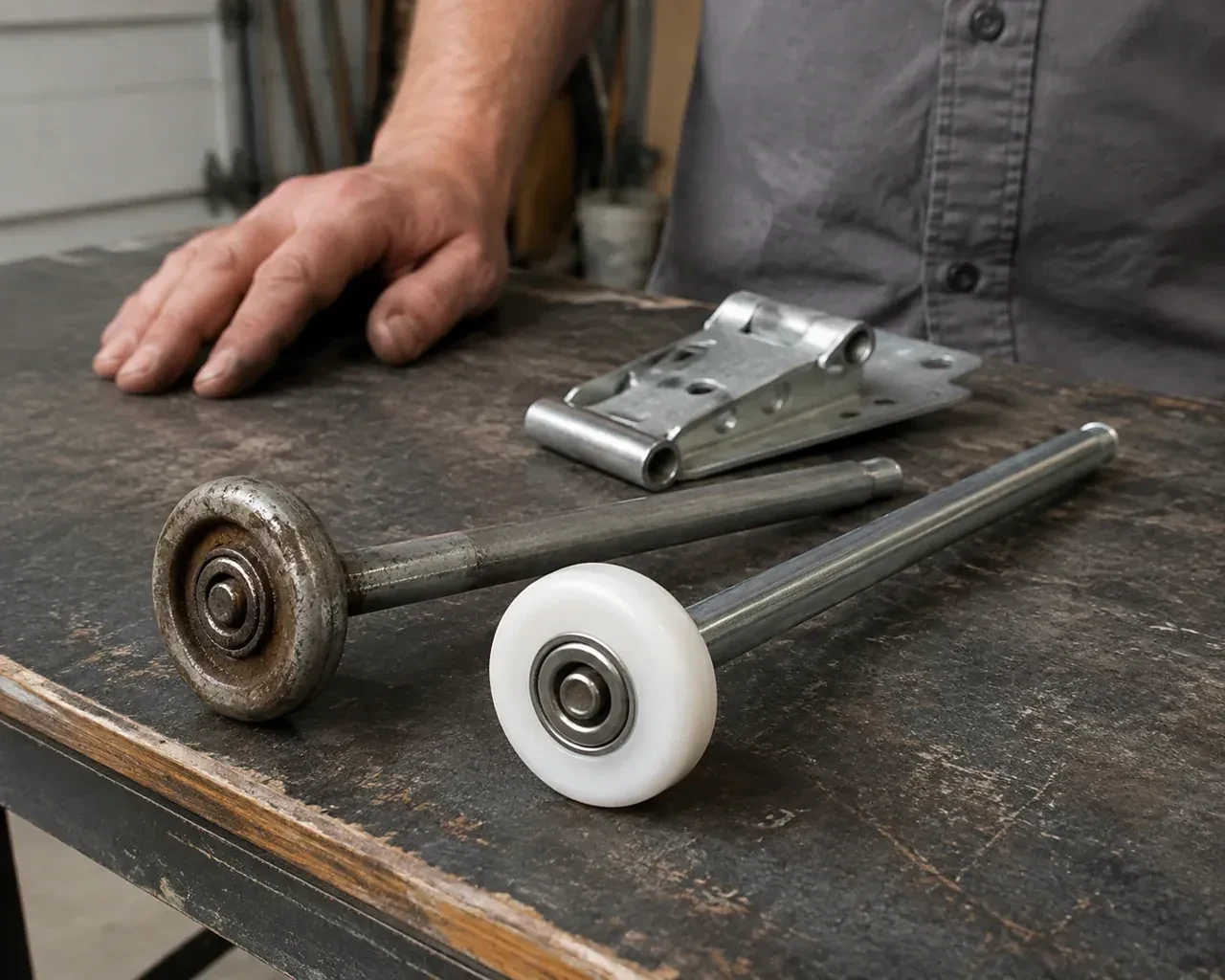
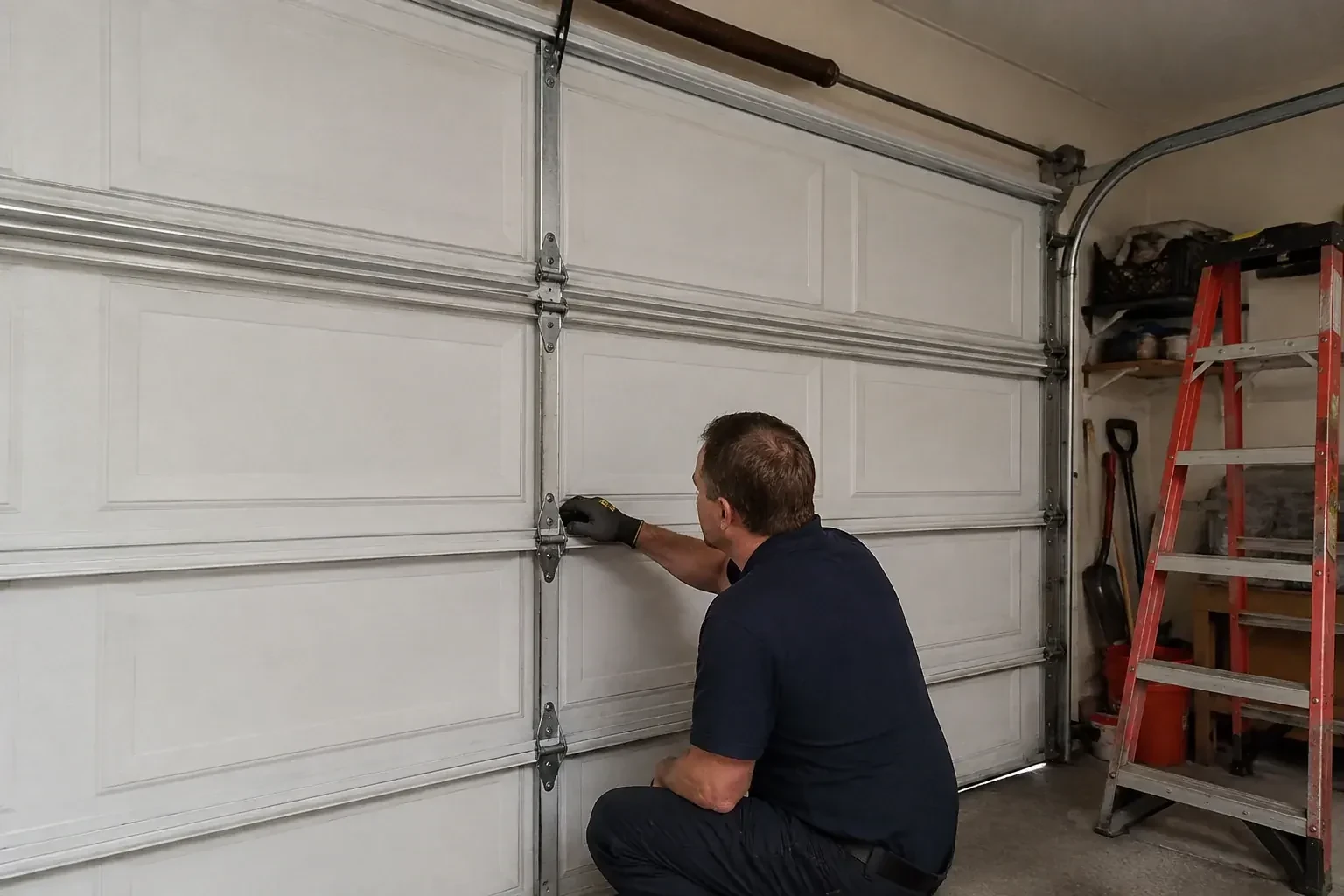
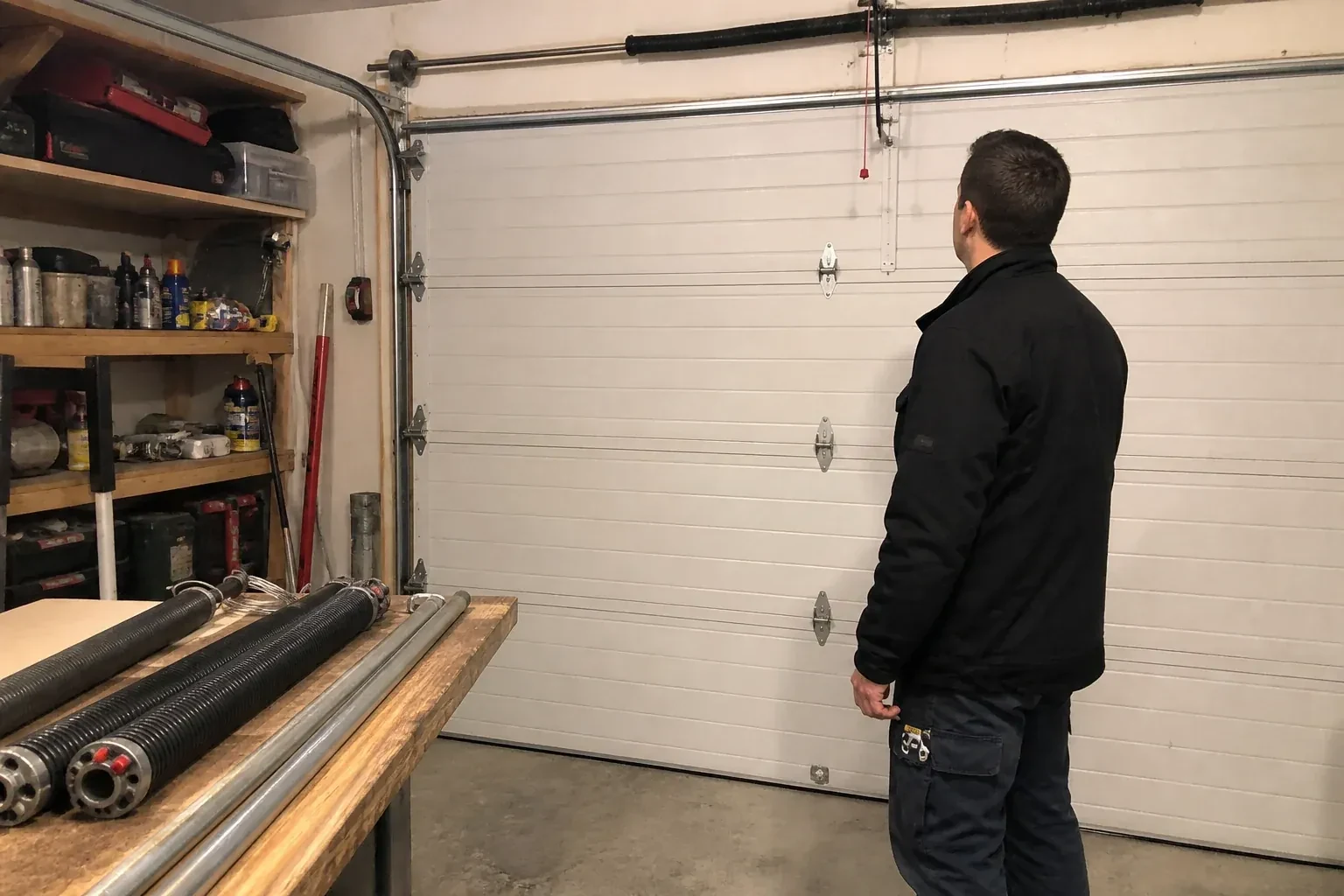
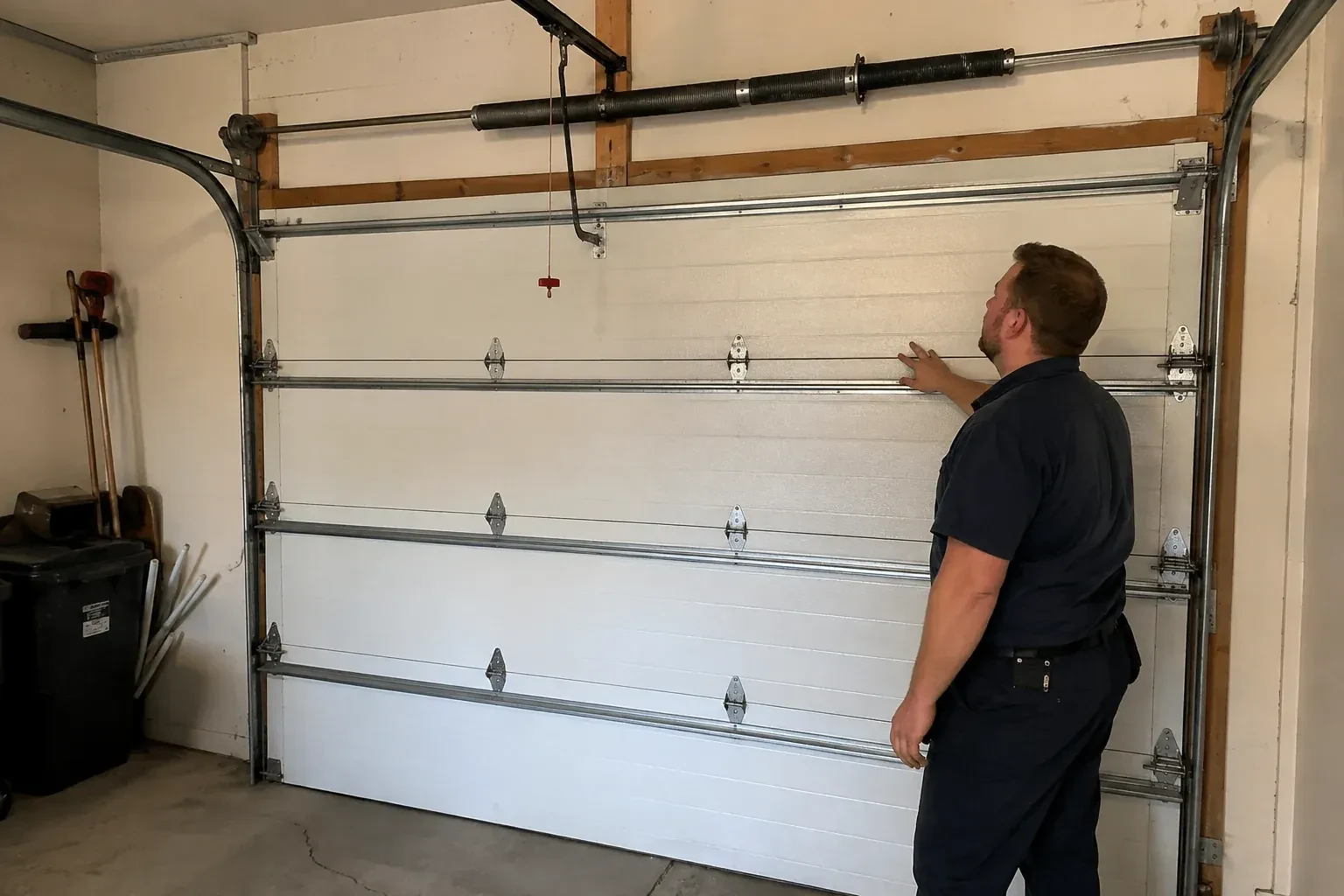
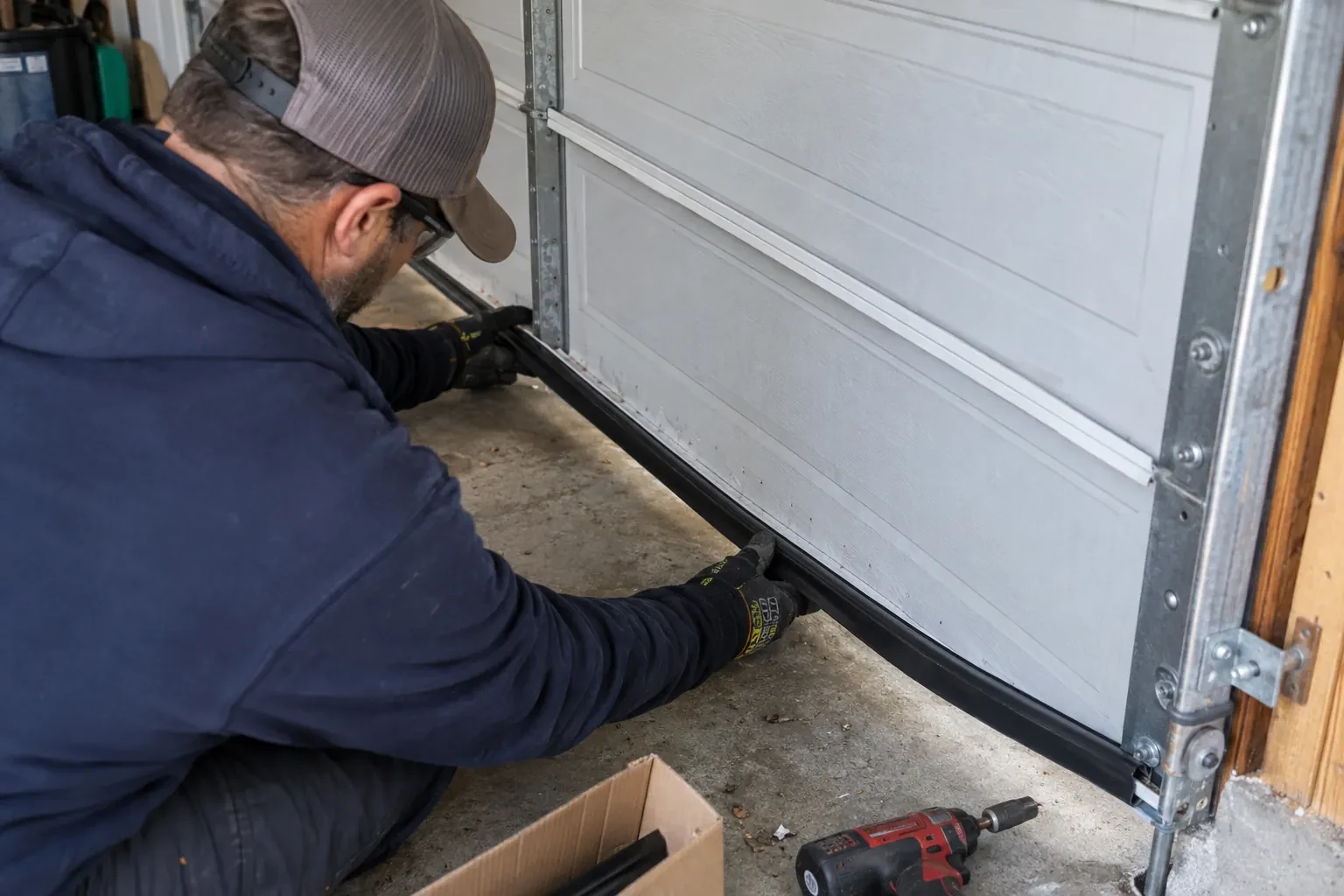
A tune-up is not glamorous: tightening hinges and brackets, lubricating rollers and bearings, resetting spring tension, checking the opener force and travel. Together those steps keep a garage door in Mount Dennis running for years and catch the one part that would have failed on the coldest morning of the winter.
Have a technician assess your door in Mount Dennis.
In Mount Dennis we have found that most people simply want to understand what happened to their door. So the technician explains as he goes: why the spring broke, what a balanced door feels like, how the sensors work. You end up knowing your door better and knowing what to listen for next time.
— Del Ray Garage Door Experts
Talk before toolsThe visit begins with a conversation about what you noticed and ends with one about what we did. The work sits in between.
Tidy job, tidy garageLoose hardware collected, packaging taken away, tracks wiped. We judge our work partly by how the garage looks when we leave.
Options with honest trade-offsA basic part, a heavier-duty one, or a new door: we describe how each will behave over time and let you weigh it.
Hours
HoursOpen 24/7
Nights and weekendsSame fees
In business25 years
VisitsOn-site assessment
Garage door services
Repairs, parts and new doors
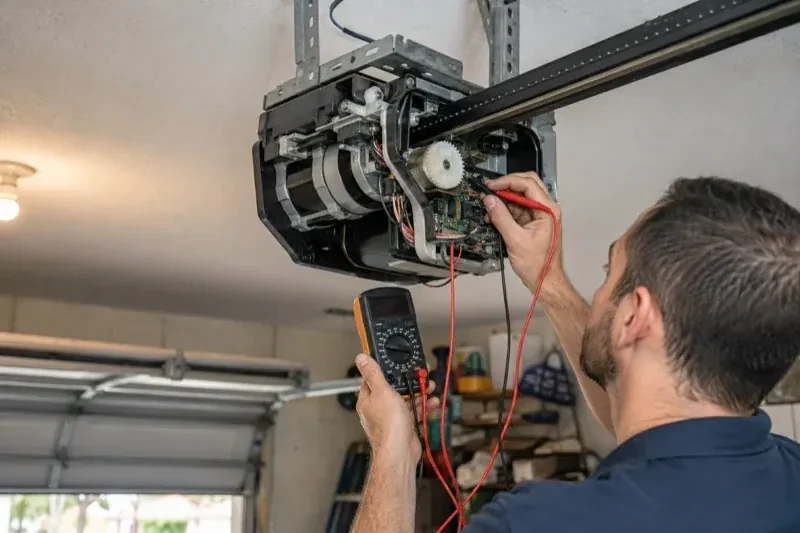
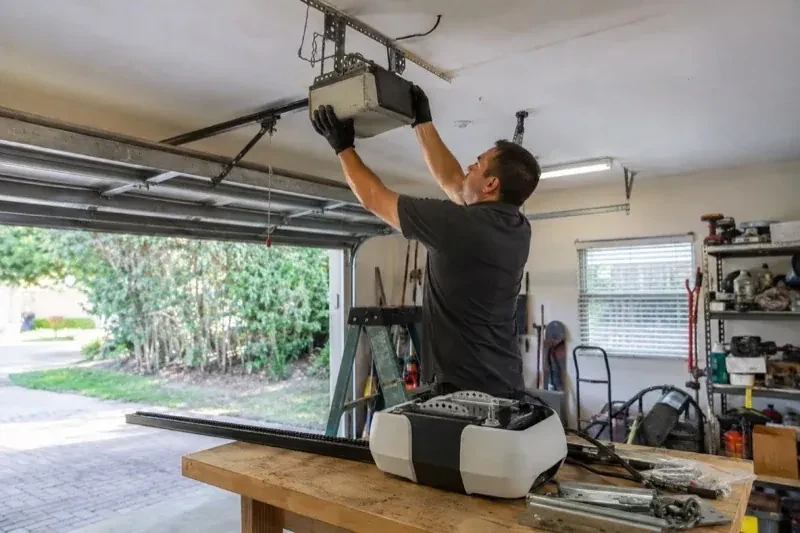
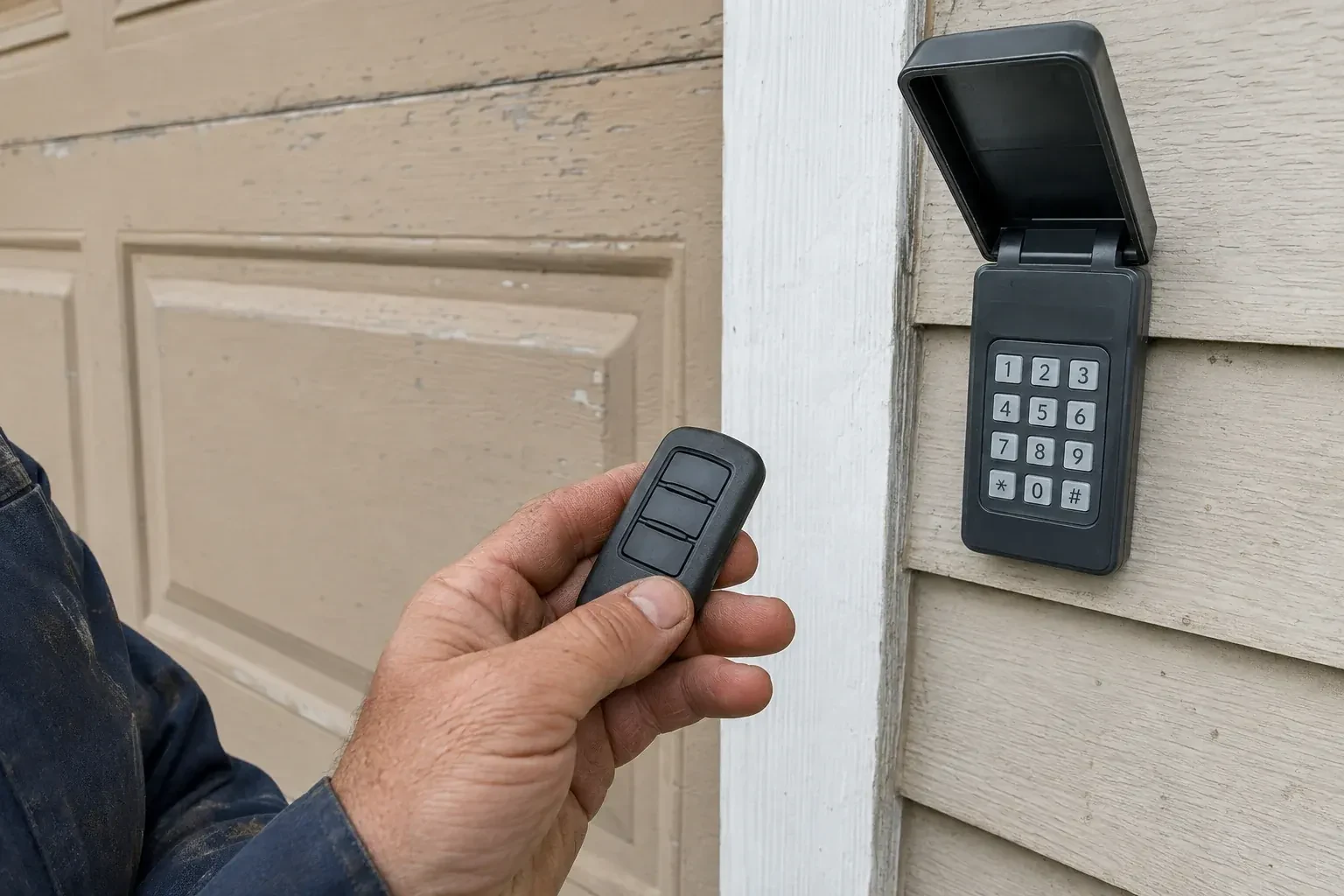
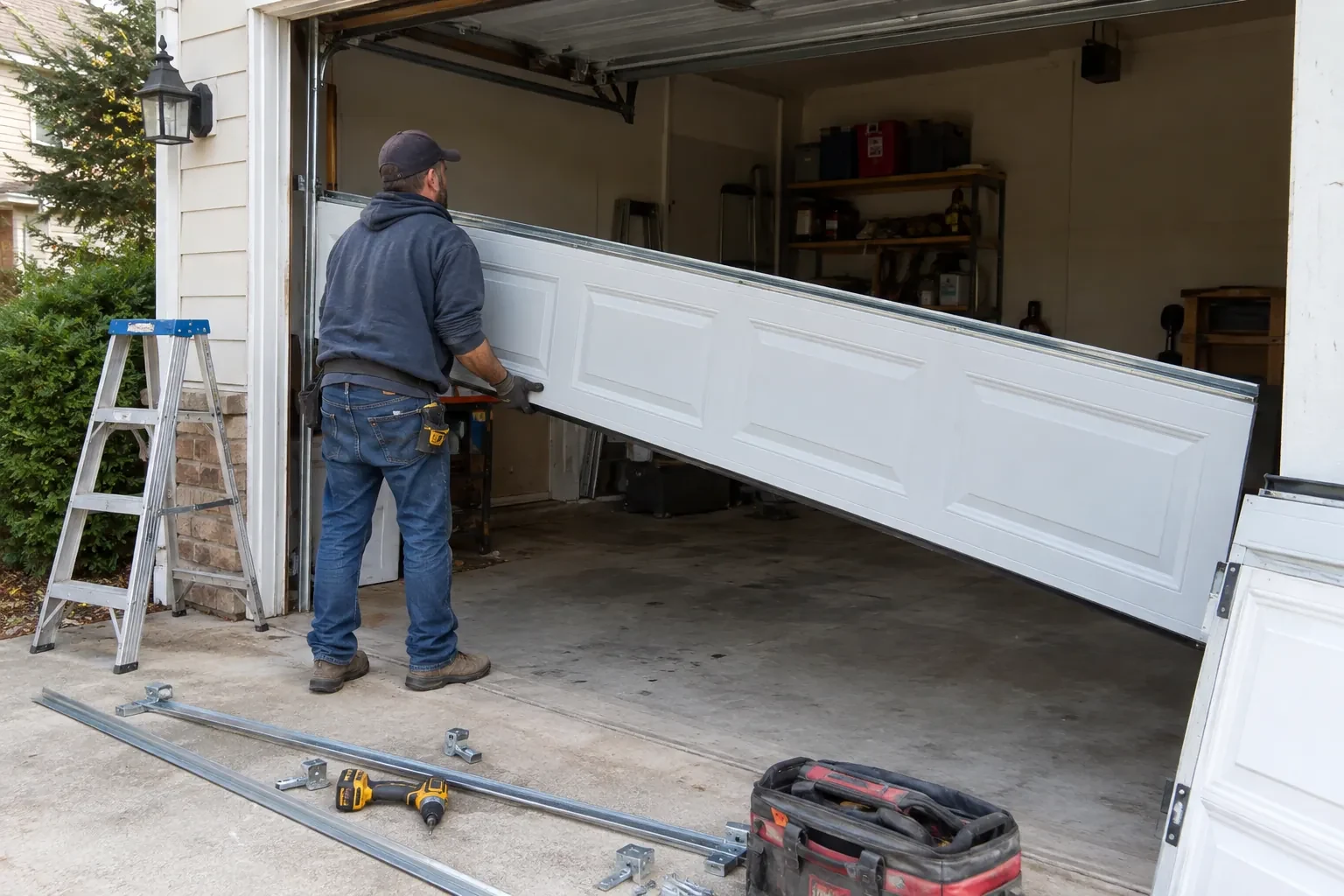
The list below is what a garage door technician in Mount Dennis actually does in a week: replaces springs and cables, resets doors that jumped the track, fixes and replaces openers, programs remotes and keypads, changes seals and rollers, tunes and balances doors, and installs new ones.
A well-set spring system means the door will stay wherever you leave it, half open included. That is the standard we work to on every spring and cable job.
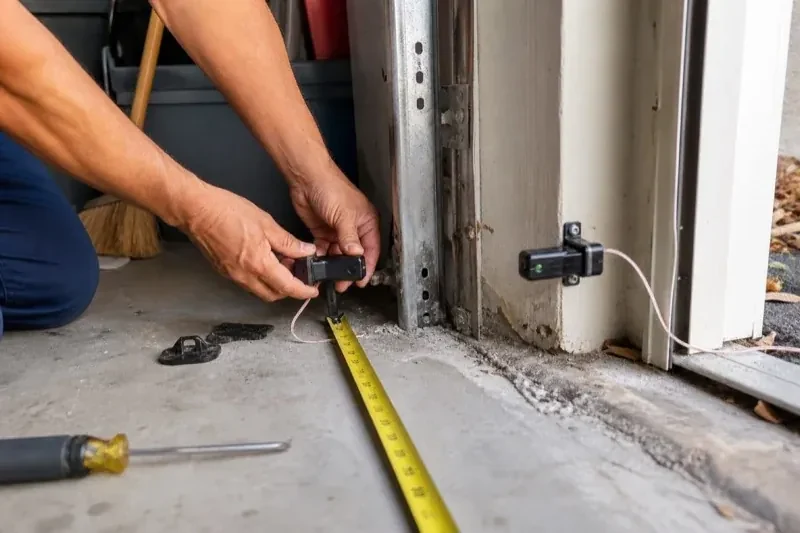
If the light on the opener blinks and the door refuses to close, the sensors are usually telling you something is in the way or they cannot see each other. Cleaning, re-aiming or replacing them is a small job with a big effect.
About 58% of homes in Toronto were built in 1980 or earlier, according to the 2021 Census.
Where most houses were built a generation or more ago, a good share of garage doors are still the originals: wood or early steel sections on extension springs. Those doors respond well to fresh pulleys, safety cables and a careful balance, and the technician carries the parts for them.
23%
Single-detached houses make up about 23% of homes in Toronto (2021 Census).
Townhouses built in rows tend to have identical doors from the same builder, so when springs and openers age they do so together along the street. Owners often arrange service for several doors at once, and we can plan a single visit that covers the row.
Salt carried in on tires and shovelled snow settles on the lowest hardware: the bottom brackets, the lower track, the bottom roller stems and fixture bolts. Those are the parts that carry the door's weight, so corrosion there matters. Rinsing the lower hardware and the inside face of the bottom section after winter, keeping the floor by the tracks swept, and having the bottom brackets looked at each spring keeps salt from becoming a structural problem.
Can a door frozen to the floor really cause this?
Yes, and in winter it is one of the most common causes. Meltwater under the bottom seal refreezes overnight and bonds the door to the slab. The opener pulls, the door stays put, the cables go slack and unwind off their drums, and when the ice lets go the door lurches up unevenly. Freeing the seal by hand before using the opener on icy mornings prevents almost all of these calls.
How should I look after the new seal?
Four times a year, check for daylight from inside with the lights off and press the fin to feel that it is still soft. Wipe the seal with a damp cloth to clear grit and salt, keep paint off the fin, apply a silicone wipe before winter, and keep slush and bins away from the bottom of the jambs. Press any lifted corner back and call if a length has come loose.
Can a manual lock be added to a door that never had one?
Yes. An inside slide bolt is the simplest addition: it fixes to the door's edge stile and a slot is punched in the track to receive it. A keyed T-handle can also be added, with a cutout in the centre of a section, a centre mechanism and bars run to both tracks. Where an opener is fitted, the new lock is set up so the two are coordinated from day one.
What happens if the header wood or centre bracket is damaged?
The centre bracket anchors the spring's reaction force to the framing above the door, so it has to be solid. If the header has split or softened, or the lag bolts have pulled, the technician can refasten into sound wood, add a reinforcing plate or replace the bracket before the new spring is wound. Dealing with this first keeps the shaft level and the spring pulling straight, which protects the bearings and the door.
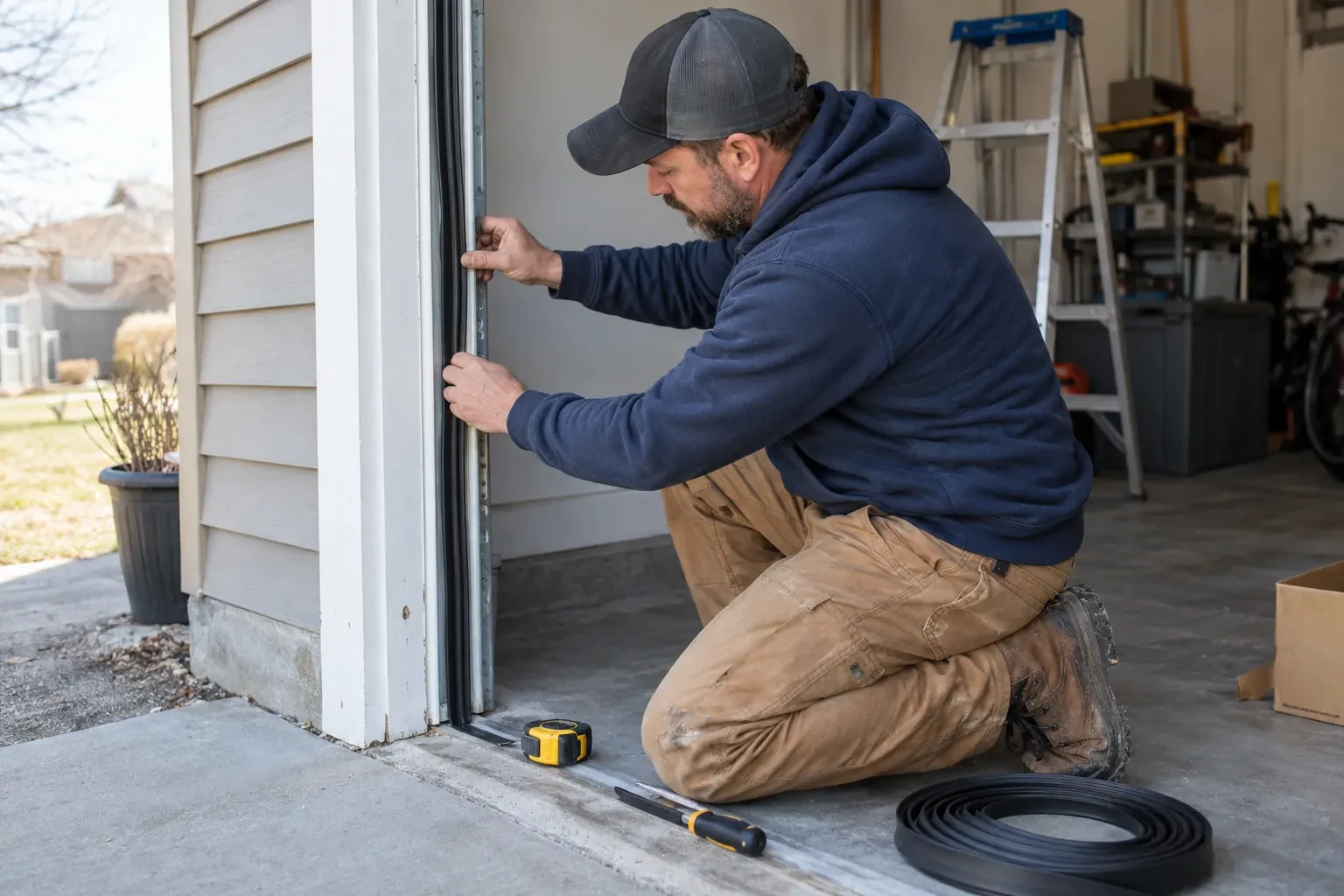
 Garage Door Tune-UpOn windy nights the door rattles in its frame, there is a line of daylight along one side, and the bottom seal has gone hard and…
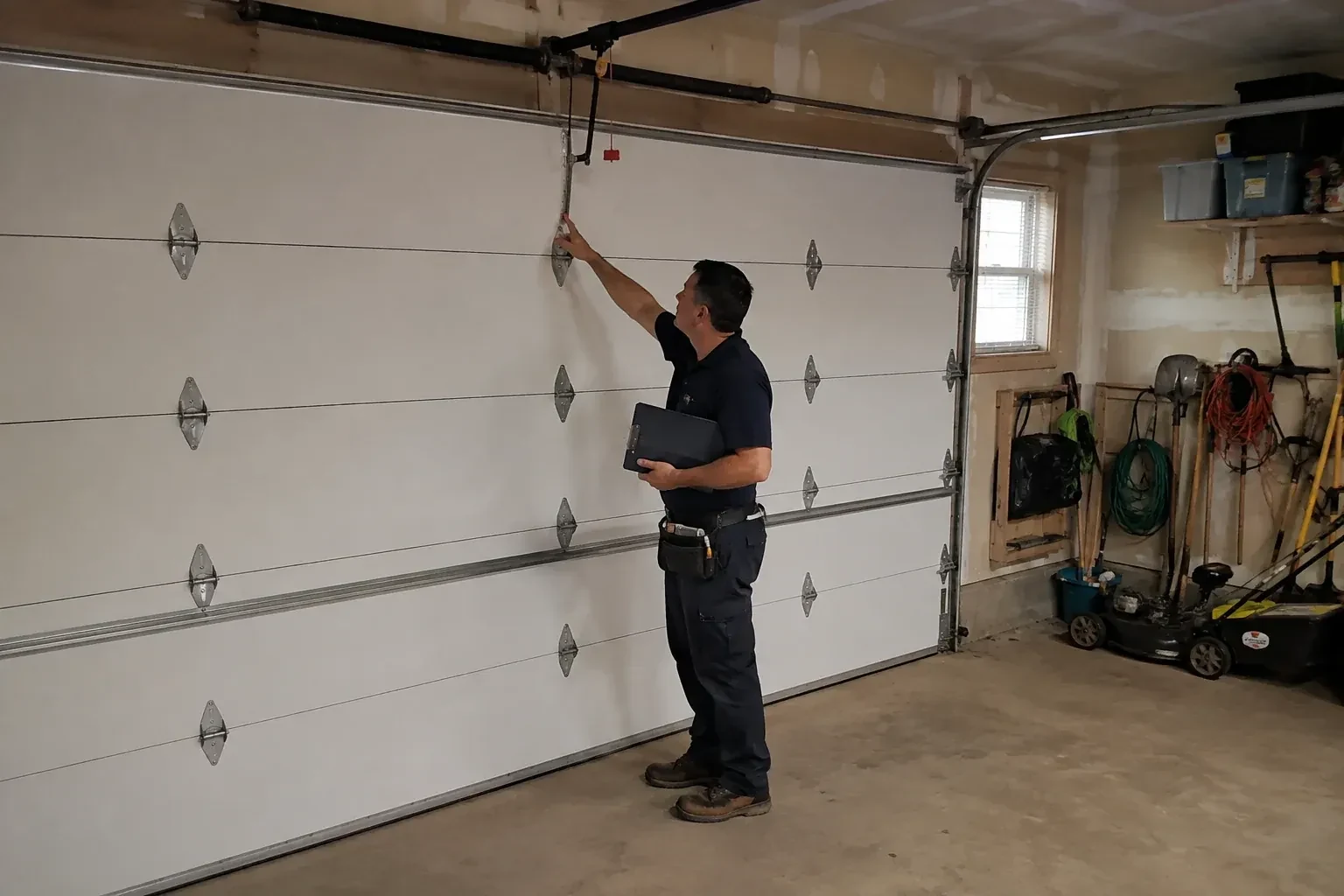
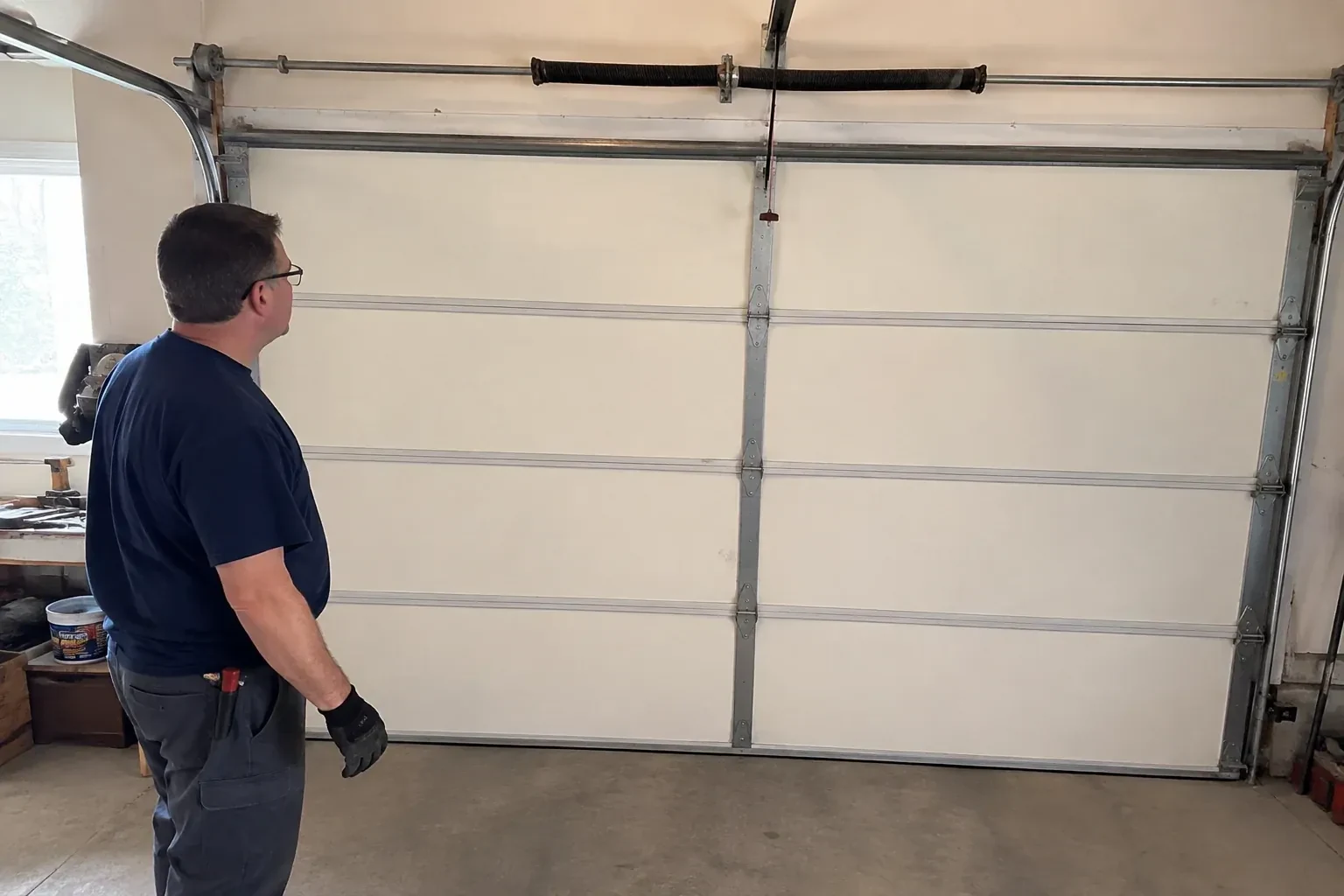 Off-Track Garage Door ResetThere was a loud bang from the garage, then silence.
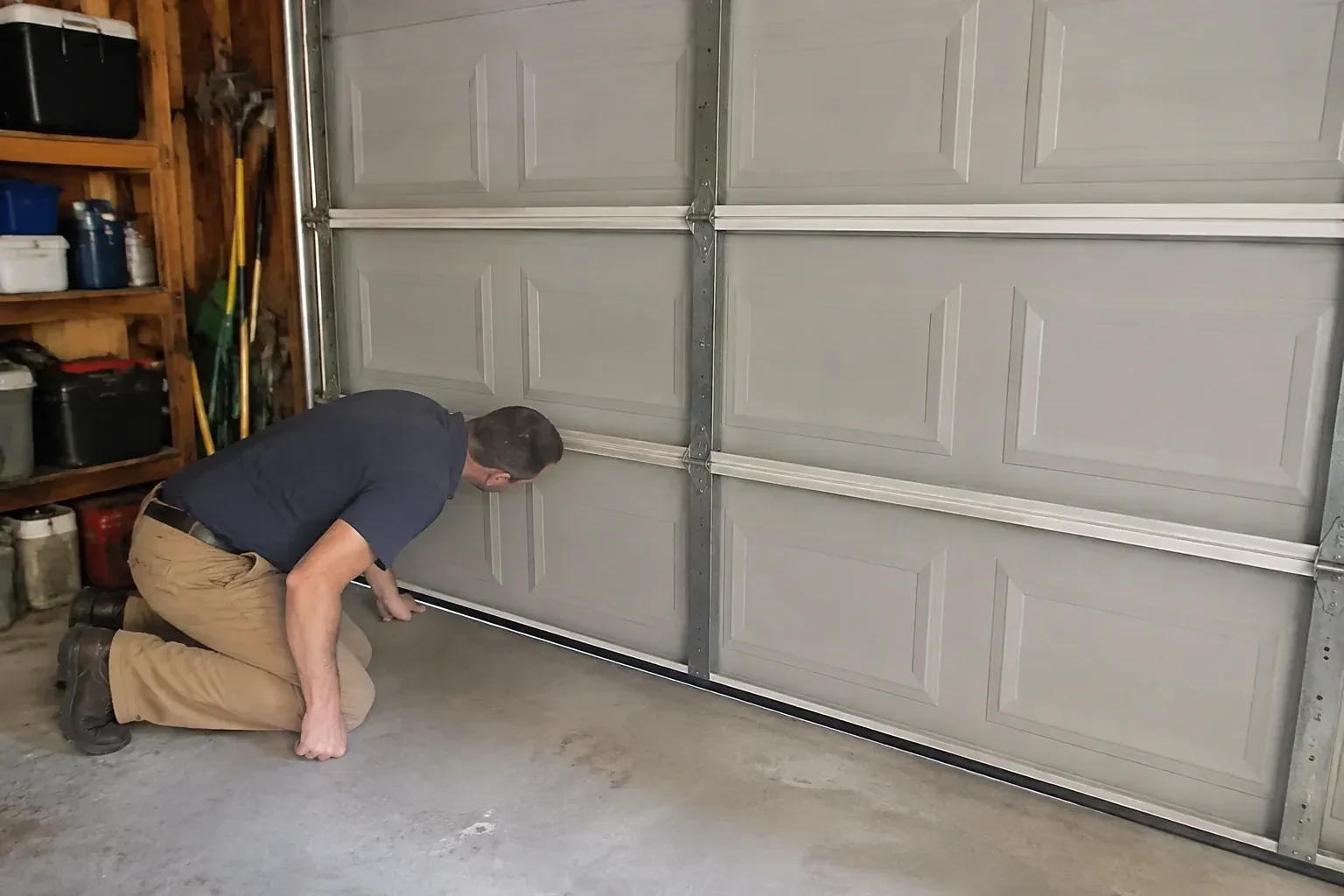 Garage Door Perimeter WeatherstripA length of weatherstrip along the right jamb has pulled away, nails and all, and it slaps against the trim every time the wind…
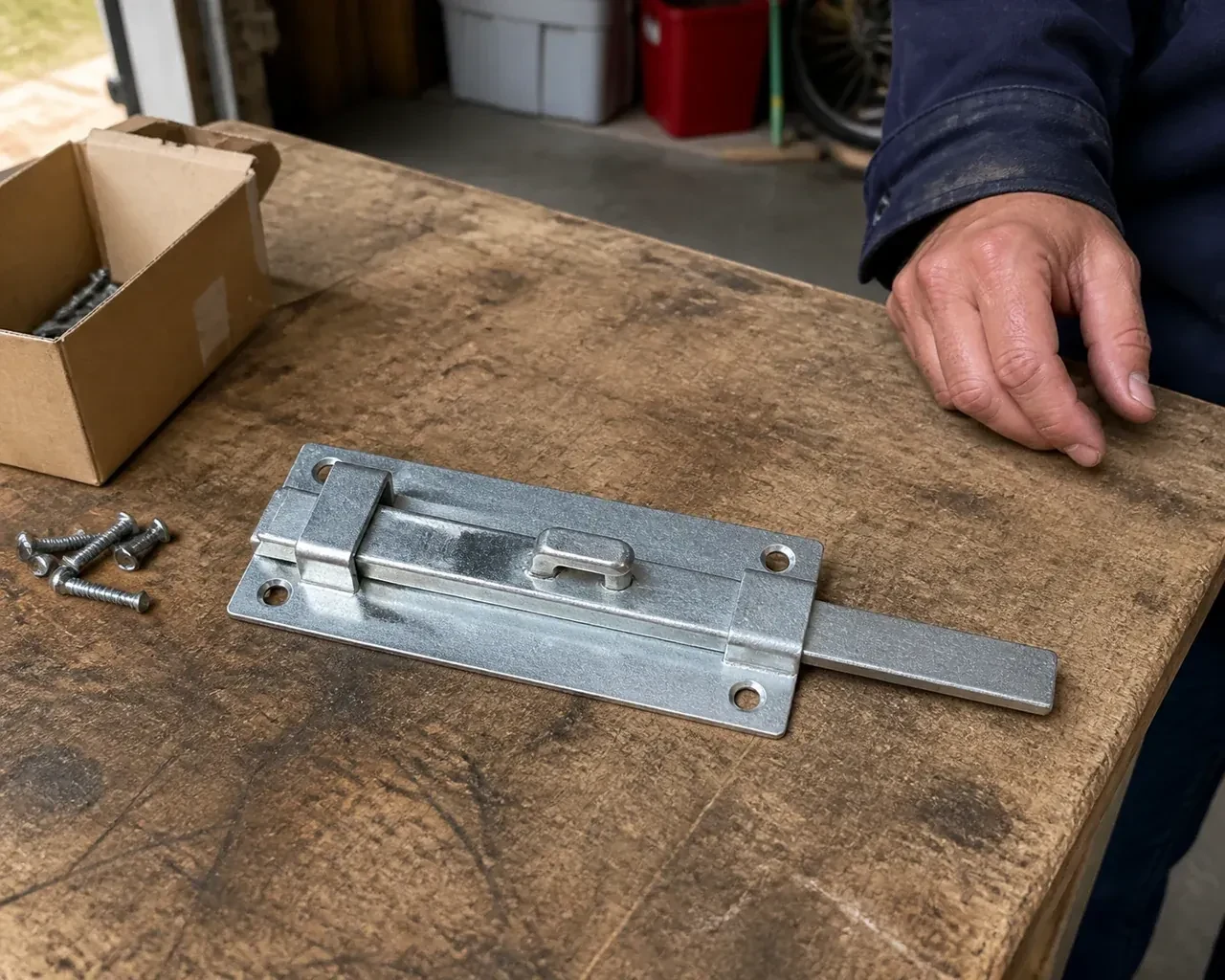 Garage Door Manual Lock RepairSomeone slid the inside lock across before bed, and in the morning someone else pressed the remote.
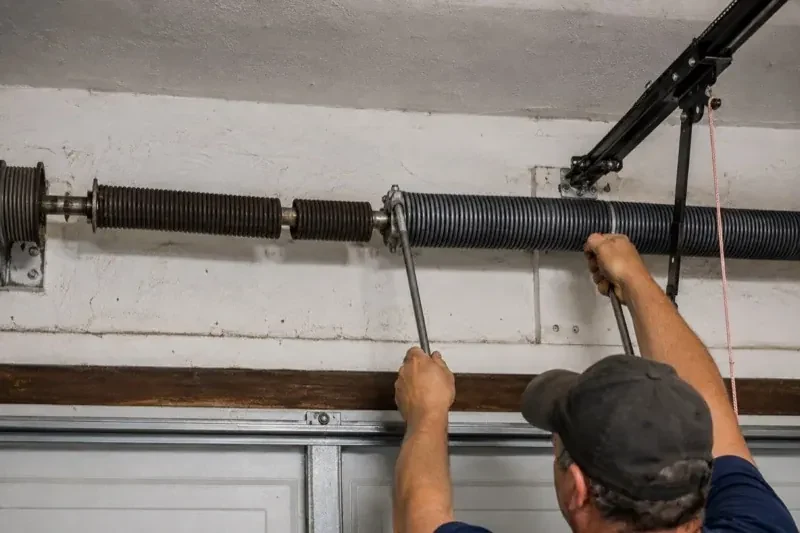 Torsion Spring ReplacementAfter pulling the red release cord, you tried lifting the door yourself and it would barely leave the floor.
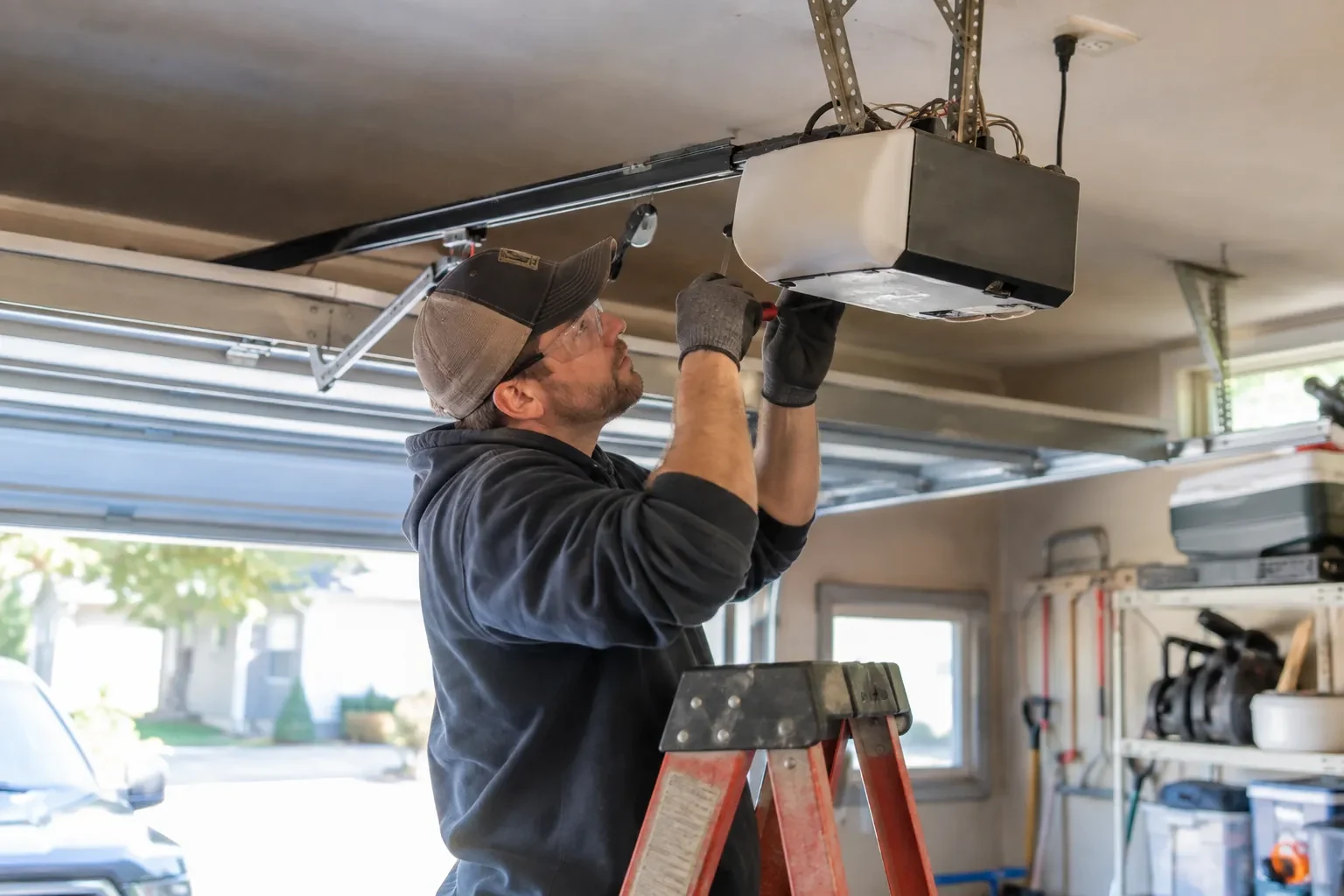
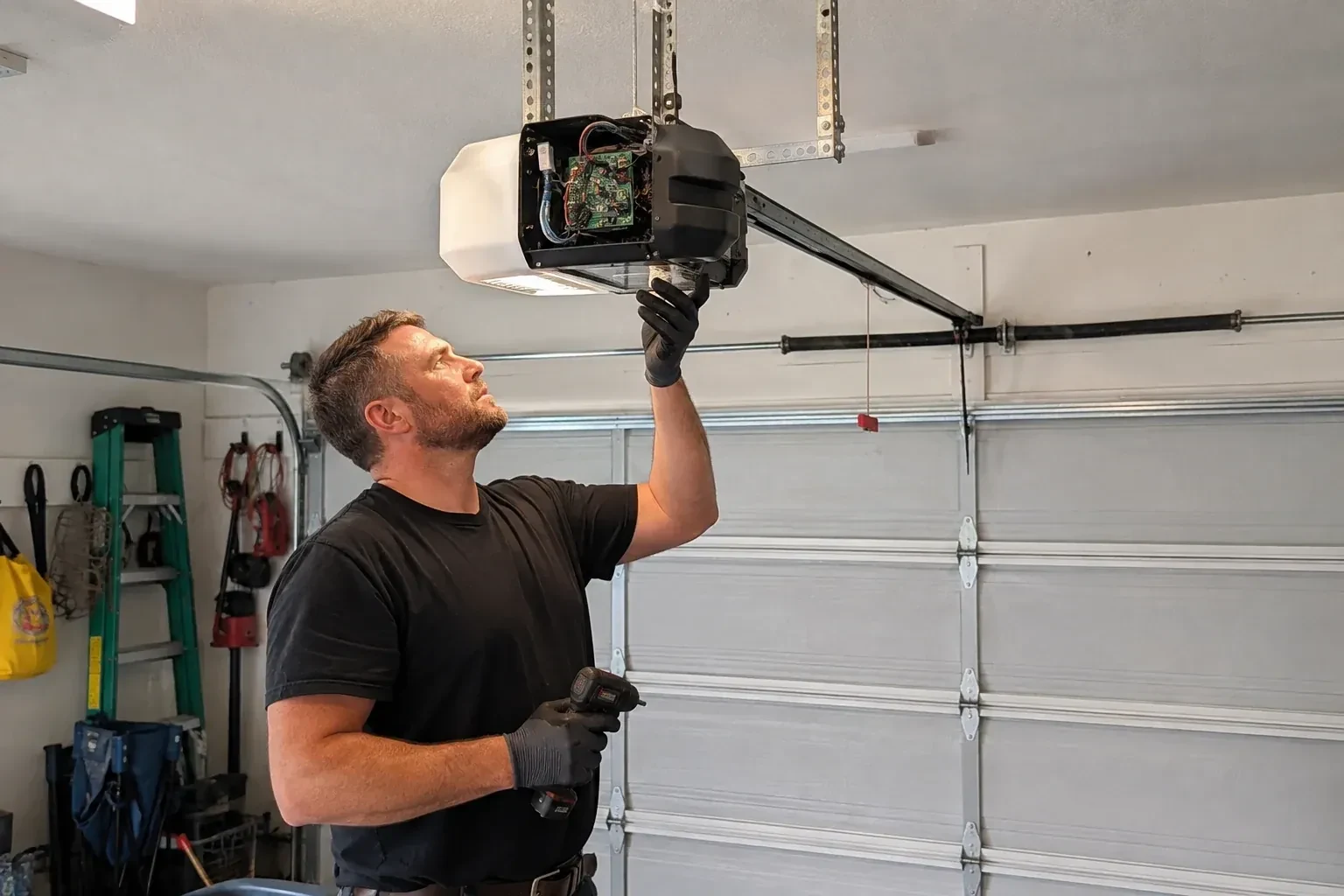 Belt-Drive Opener RepairThe door used to glide up with a soft hum.
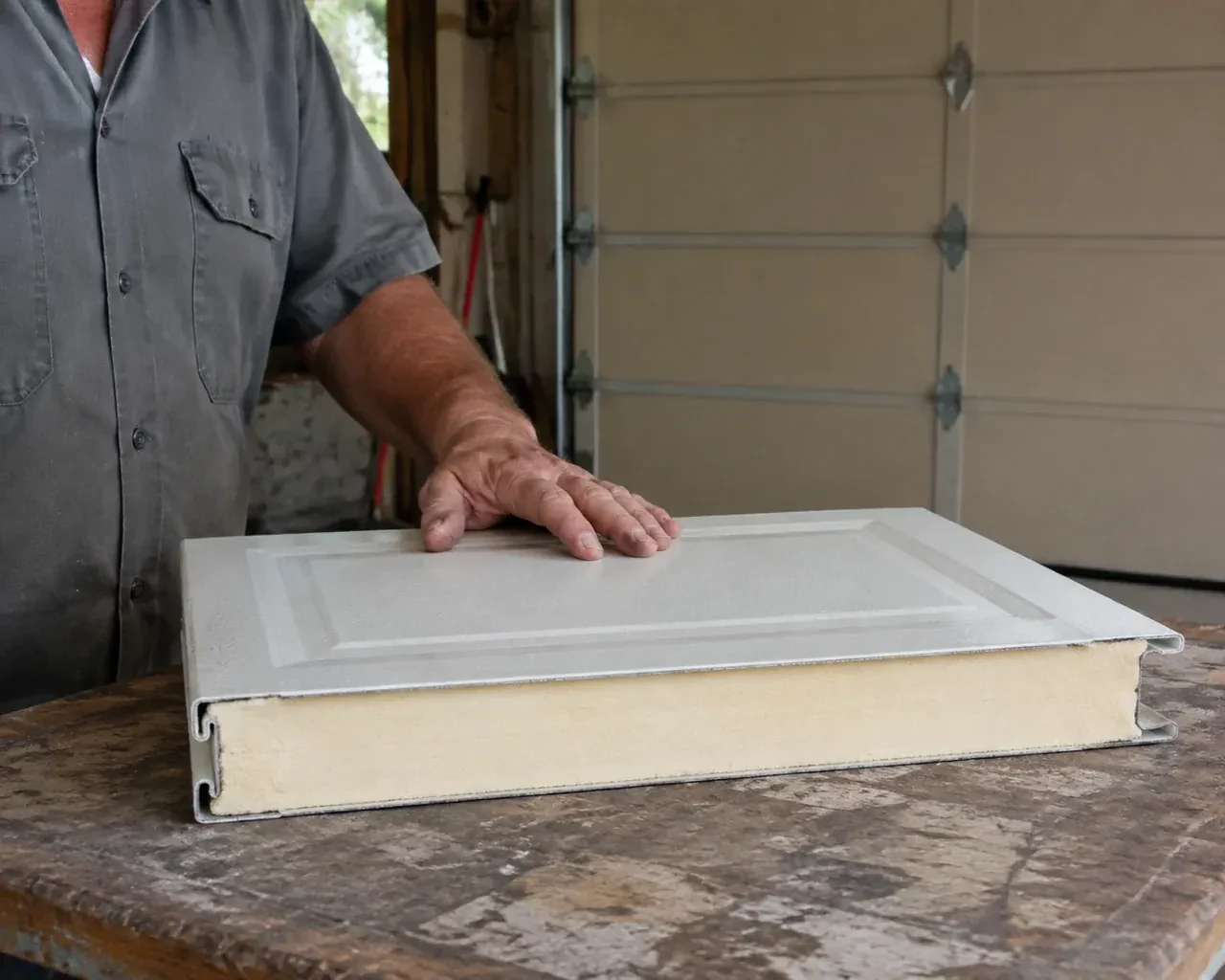 Insulated Steel Garage Door InstallationYour garage is becoming a workshop, but the thin single-skin door rattles, sweats and lets outdoor temperatures shape the whole…
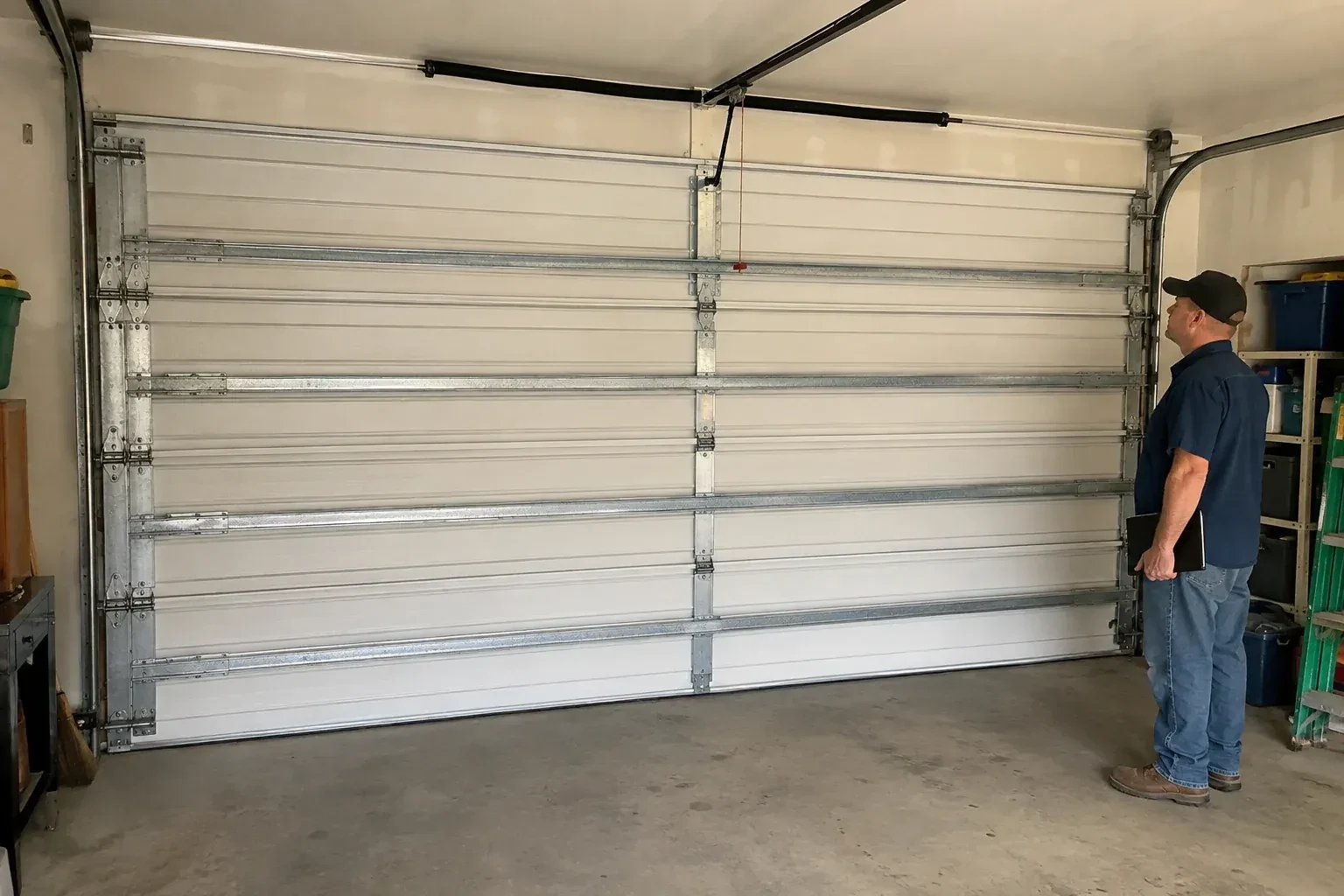 Wind-Rated Garage Door ReplacementThe property faces open fields, leaving the garage frontage more exposed than neighbouring homes sheltered by trees and buildings.
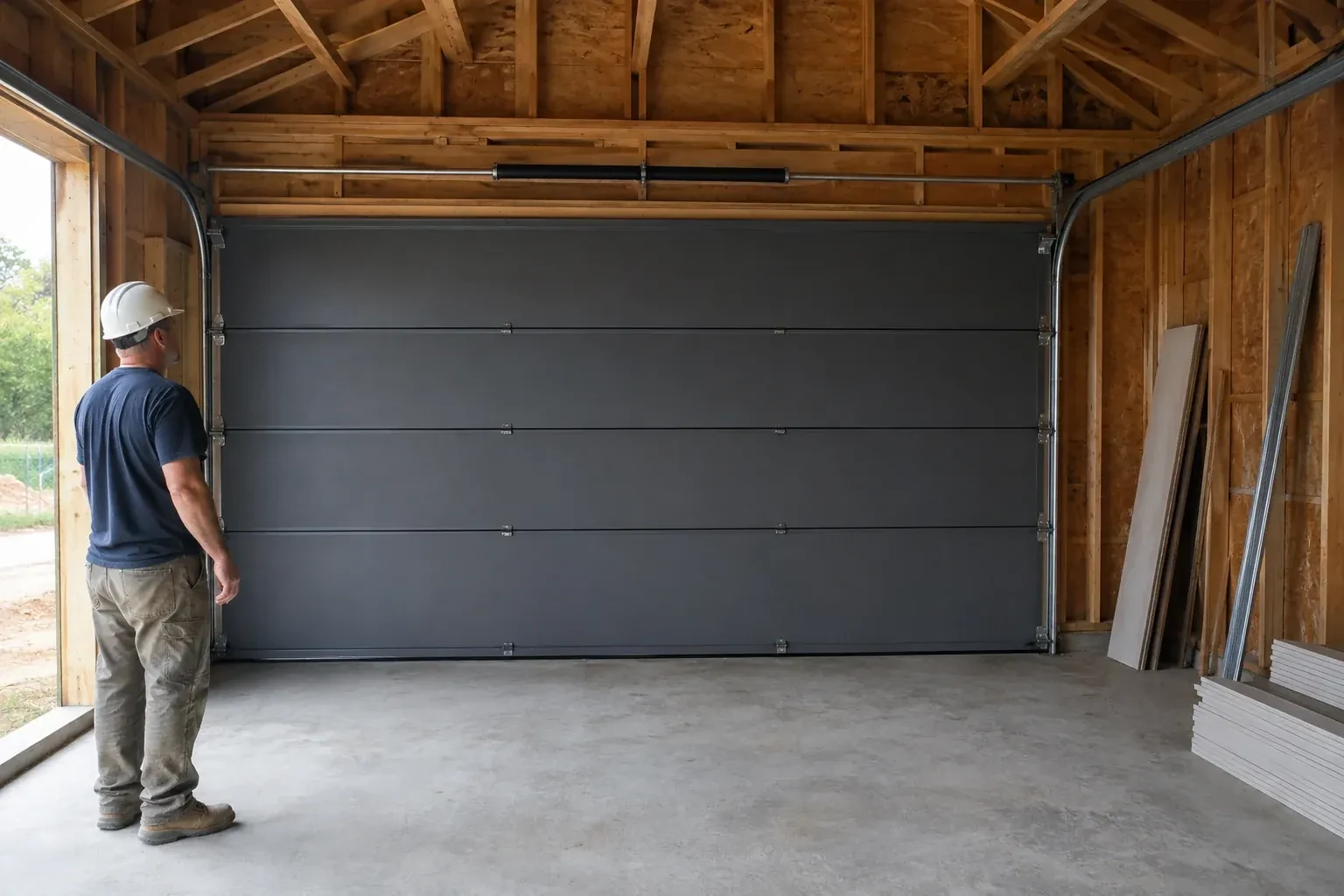 New-Construction Garage Door InstallationPower and low-voltage wiring are being roughed in while the garage is open.
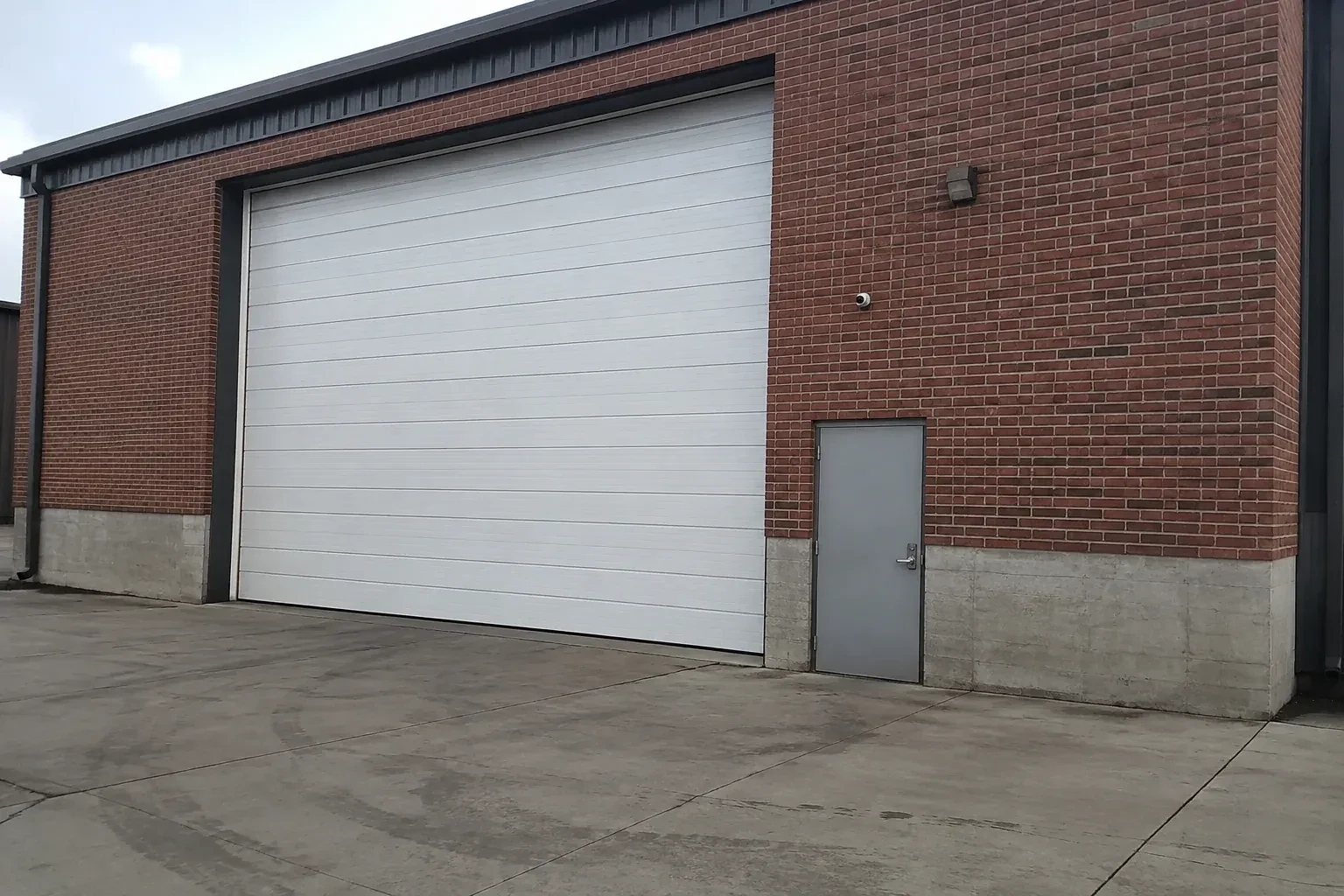 Commercial Sectional Door RepairOne busy service-bay door has become louder than the matching doors beside it.