New Doors · Fairbank
New-Construction Garage Door Installation in Fairbank
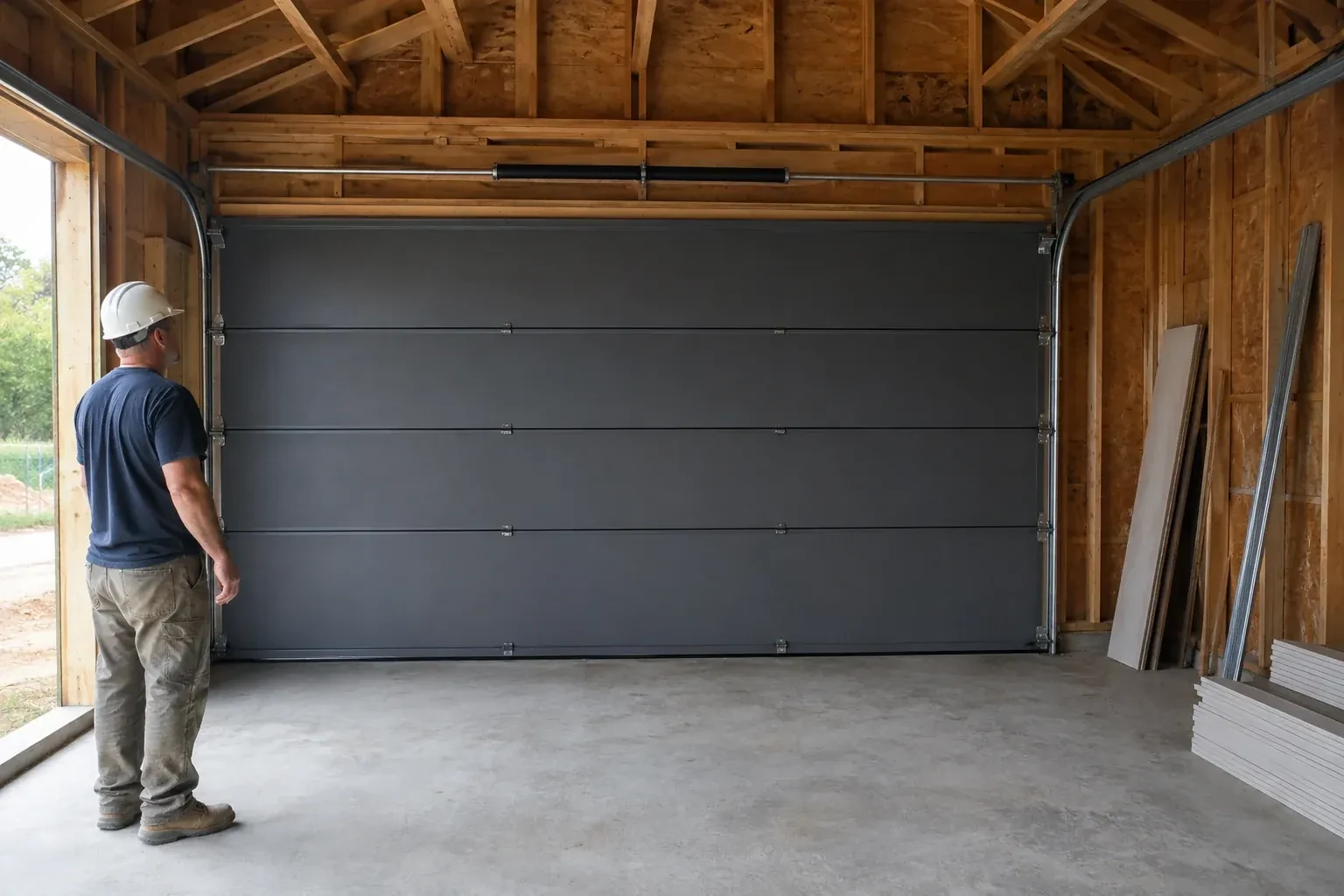
Power and low-voltage wiring are being roughed in while the garage is open. The operator location, ceiling supports, wall control and photoelectric sensors need to align with the door before finishes close everything in.
New-Construction Garage Door Installation
In plain words
A successful installation begins before the door arrives. Drawings and selections are compared with field measurements, including finished floor elevation, cladding thickness, ceiling obstructions and the support available at the jambs and header. This check keeps the chosen section design, track layout and spring system connected to the building that will carry them. Once the site is ready, the complete assembly is fitted, aligned and balanced, then documented for the owner and other project trades.
How the visit goesFraming, siding, flooring and electrical crews are working from the same schedule. The garage door is ready for its place in that sequence once the opening, anchor points, floor height and power are confirmed.
Fairbank
How the visit goes
Confirming framing and attachment points
A sectional door transfers loads into the jambs, header, spring support and overhead track hangers. Before installation, the team identifies those attachment surfaces and confirms that the appropriate project party has accepted the framing. Drywall, insulation or cladding must not hide the areas that still need secure anchors. The review distinguishes door-system installation from structural design: drawings, site conditions and product requirements are brought together, while any framing change stays with the trade or professional responsible for the building. Clear ownership keeps every connection understandable.
Installing the counterbalance system
Counterbalance work pairs the finished door weight with its specified lifting system. For a torsion arrangement, the shaft, bearings, drums, springs and lift cables are mounted at their designated supports; an extension arrangement uses its corresponding springs, pulleys, cables and containment hardware. Trained installers secure the door and use controlled tools while tension is applied. Cable seating and equal lift are checked on both sides. The springs are then adjusted so the disconnected door can be raised, lowered and held through its travel with manageable, balanced effort.
A finished perimeter around the opening
The closed door presents even margins at the jambs and header, with the bottom seal resting across the finished floor and perimeter moulding meeting the exterior face. These flexible materials reduce drafts, light and weather entry while allowing the sections to move freely. The handoff identifies any caulking, cladding or floor work that another trade still owns. Once surrounding construction is complete, keeping paint, mortar and floor coatings off the seals and tracks preserves the fit established during installation and leaves the door ready for normal seasonal movement.
New-Construction Garage Door Installation
In the van
- Bottom and perimeter seals
- Vertical and horizontal tracks
- Track hangers and bracing
- Track rollers
- Counterbalance springs
What affects the quote
Same fees day, night or weekend
1Window design and glazing
The number, placement and type of windows affect manufacturing, section layout and door weight. Privacy, daylight and alignment across several doors can add selection and coordination work.
2Delivery and work-area access
Long sections need a suitable route into the garage and protected space for staging. Restricted access, occupied work zones or special lifting needs change the installation plan.
3Floor level and bottom sealing
A completed, reasonably level floor provides a consistent seal surface. Large elevation changes, unfinished coatings or a special threshold detail require added measurement and scope coordination.
New-Construction Garage Door Installation: questions
What electrical preparation does a garage door operator need?
Preparation commonly includes a receptacle near the planned operator, a suitable mounting location and routes for the wall control and photoelectric sensor wiring. Exact electrical requirements follow the chosen equipment and project electrical design. Coordinating locations before drywall helps keep wires clear of tracks, springs and moving sections. The electrical trade and door installer should also agree who completes connections and when power becomes available for commissioning.
How can the installed door be protected during remaining construction?
Keep masonry, paint, plaster, floor coatings and abrasive dust away from sections, seals, tracks and rollers. Other trades should avoid leaning materials against the door or using horizontal tracks for storage or support. Controls can be managed so the system is operated only by authorized project personnel before handover. If protective covering is used, it should avoid trapping moisture or adhesive against the finished surface.
Which tests are performed before project handover?
The installer observes manual balance, level travel, roller guidance, cable tracking and how the closed door meets its seals. Track supports, fasteners and counterbalance attachments are reviewed. If powered operation is included, full cycles confirm travel limits and control response, followed by reversal and photoelectric protection tests. Manual release is also demonstrated. Results and any separate project items can then be recorded for closeout.
Installation & Upgrades
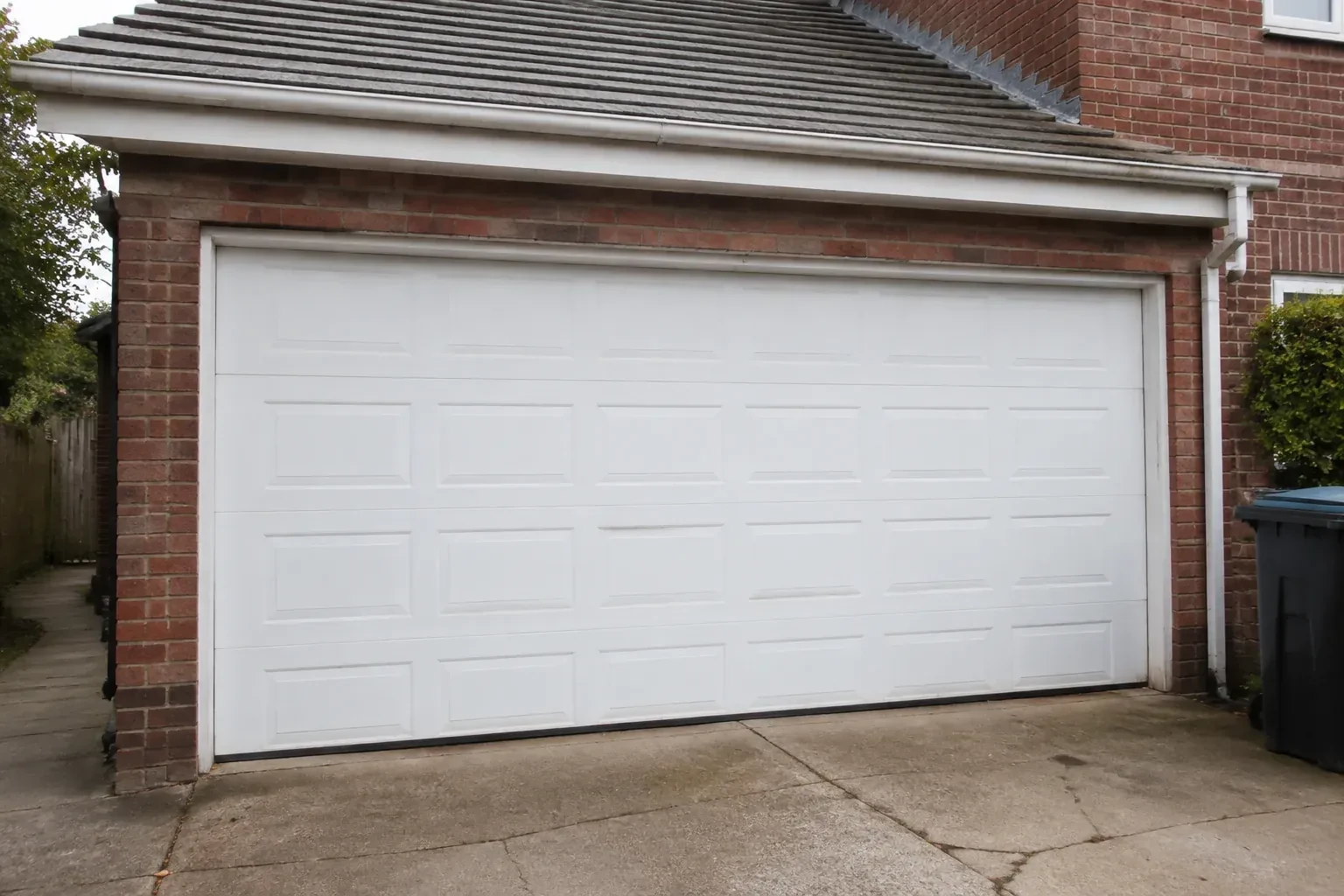
- Insulated Steel Garage Door InstallationYour garage is becoming a workshop, but the thin single-skin door rattles, sweats and lets outdoor…
- Wind-Rated Garage Door ReplacementThe property faces open fields, leaving the garage frontage more exposed than neighbouring homes…
- Carriage-House Garage Door InstallationTraditional swing-out coach doors have the look you like, but the driveway needs to remain clear as…
New-Construction Garage Door Installation near you
Repairs, hardware, openers and new doors: those are the four kinds of garage door work we do in Fairbank. Most visits are repairs and tune-ups, springs and cables are the most common replacements, opener and remote problems come next, and new doors are planned with more time and care.